
Home / Knowledge and FAQ
Knowledge and FAQ
Short answers, no magic.
The most common questions about the hydraulic circuit. The answers are general and do not replace the machine manufacturer’s documentation.
FAQ
Questions and answers
Does a pump create pressure?
A pump supplies flow. Pressure comes from the load and the resistance in the circuit. The relief valve limits it, so change its setting only to the value in the machine manufacturer’s documentation.
What does 4/3 mean?
Four ports (P, T, A, B) and three spool positions. A 4/2 valve has two positions.
Why does a cylinder extend slower than it retracts?
The cap-side area is larger than the rod-side area. At the same flow, the larger chamber takes longer to fill, so extension is slower and stronger.
What is LS?
Load sensing is a load signal that the pump regulator uses to match flow to demand. It is not the main power line.
What is cavitation?
Bubbles that form in the oil when suction pressure is too low. They cause noise and wear.
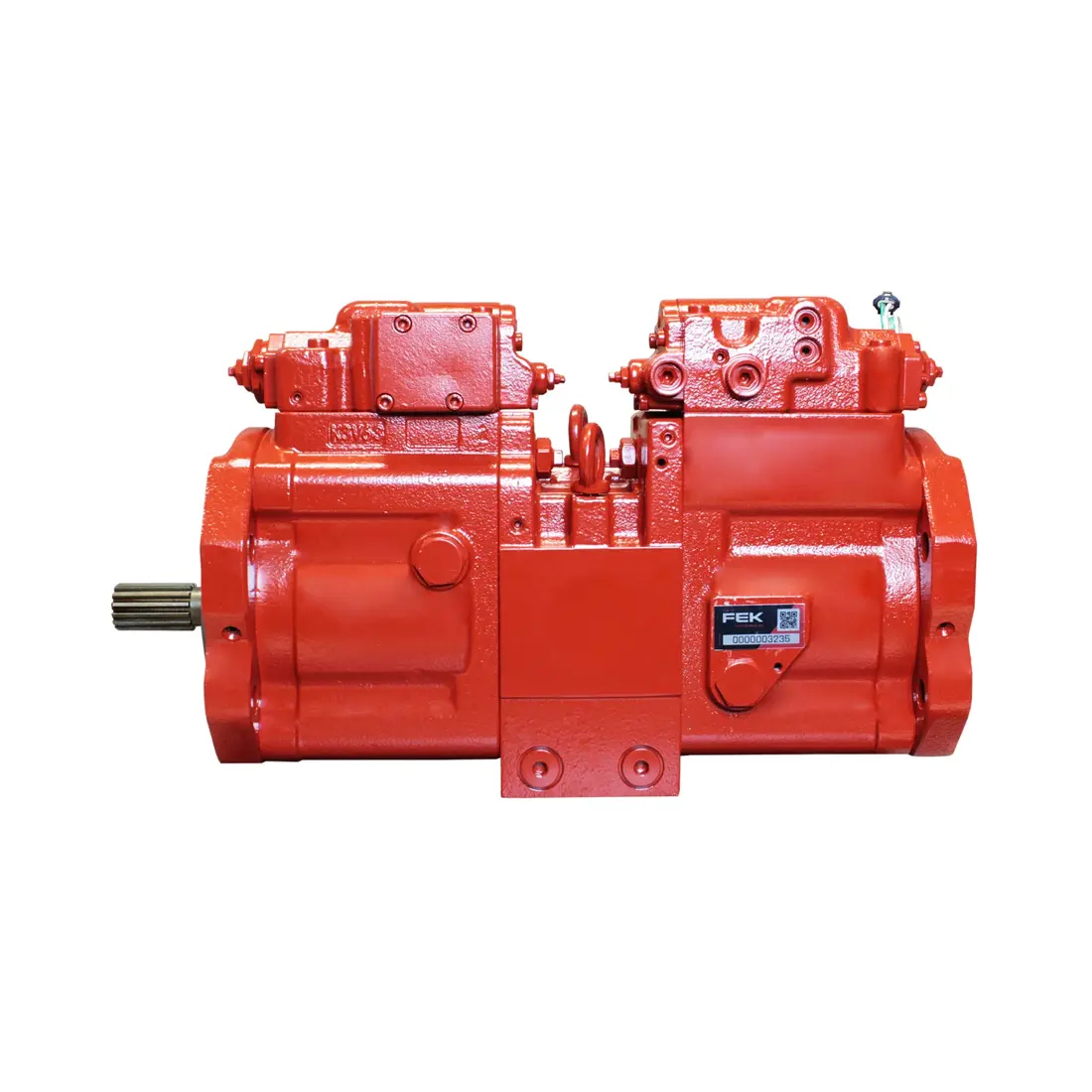
Can I select a pump from a photo?
A photo helps. The data decides: nameplate number, shaft, flange, ports, regulator and machine model.
What is a priority valve?
A valve that gives one circuit, such as steering, the first call on the flow. The rest goes to the other circuits.
How do I identify an MRV or ARV valve?
Read the marking on the valve, find it in the hydraulic diagram and photograph all faces. MRV is the main relief valve of a block. ARV is the relief valve of one section.
Next